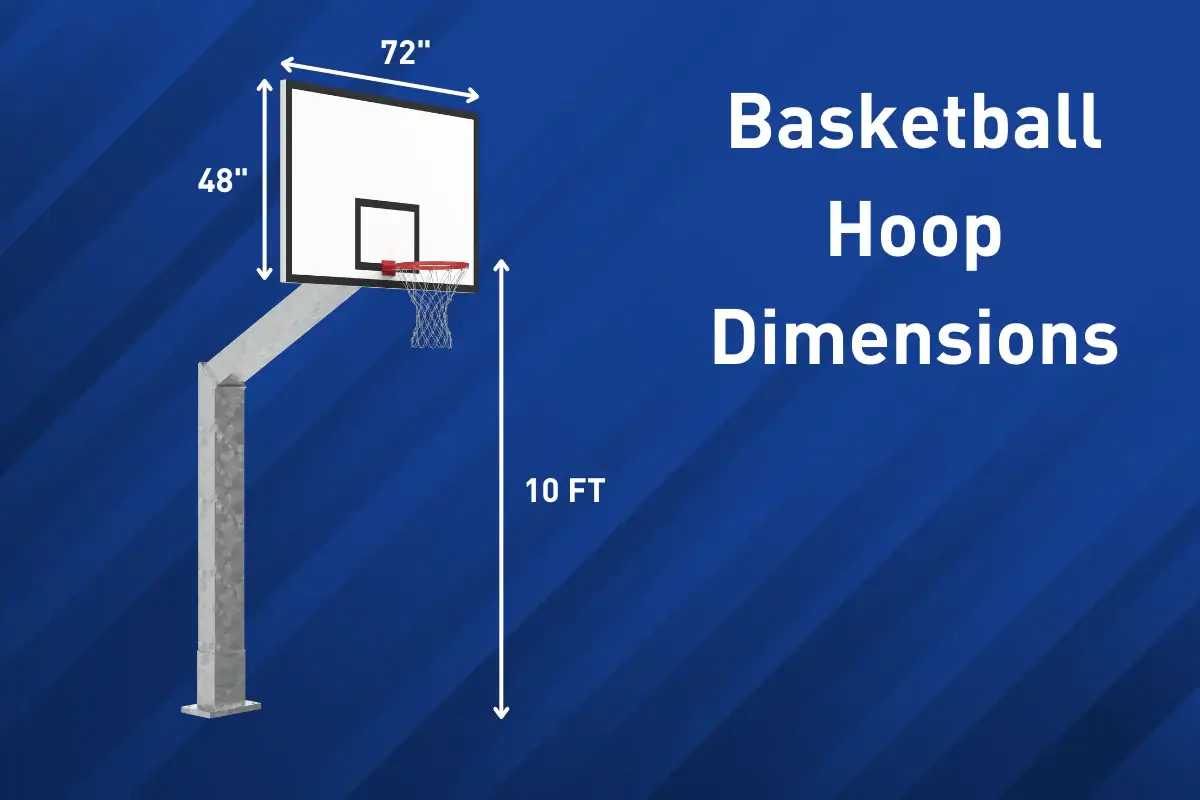
Let’s dive into the world of basketball hoop heights! Whether you’re a weekend warrior just putting up a 10-foot basketball hoop in your driveway or a parent figuring out the right basketball goal height for your future All-Star, we’ve got all the details you need. Grab a drink, and let’s chat about all things hoop height.
The Basics: What’s the Standard Height?
So, let’s start with the big question on everyone’s mind—what’s the standard height for a basketball hoop? For competitive play—think NBA, college, or even high school—the regulation height is set at 10 feet. Yep, you heard that right!
Why 10 Feet?
- Tradition: Basketball was invented in the late 1800s, and the height was set at 10 feet then—and guess what? It stuck!
- Challenge Factor: This height is tall enough to challenge players but not so high to make it impossible for shorter players to score. Crazy to think back then they were already thinking about inclusivity, right?
But Wait, What About the Kids?
When we’re talking about youth basketball hoops, it’s important to adjust for age and skill level. So what’s a good starting point?
Basketball Hoop Heights by Age:
- 5 years old and under: 6 feet
- 6 to 7 years old (6u): 7 feet
- 8 to 9 years old (8u): 8 feet, with some adjustable 8 foot basketball hoop attachments available.
- 10 years old and up: Typically go for that standard 10 foot basketball goal as they’re getting ready for the real deal!
This makes it easier for younger players to practice shooting and feels rewarding when they can actually make a basket!
Are All Basketball Rims the Same Size?
Great question! No, not all basketball rims are created equal.
- Regulation rims (like those found on professional courts) are 18 inches in diameter. This is the main number you’ll need to remember.
- There are smaller rims for younger players, particularly in leagues that focus on development. This might be as small as 12 inches, encouraging younger kids to have fun while shooting.
Quick Tip:
If you ever see 2 basketballs in a rim, that’s the absolute width size — it’s a good visual to understand how much space you have!
The Buying Guide: What to Look for When Getting a Hoop
Now that we know the standard heights, let’s talk about what you should consider before buying that new hoop.
Budget
There are all sorts of price points out there. You might find something at 5 Below for budget constraints, but those are often meant for casual fun rather than serious play. For something more durable, you’d be looking at a price range of $100 and up.
How Adjustable is it?
- Adjustable Hoops: These are fantastic! They usually let you lower the height for younger players. Look for options that can go as low as 6 feet and up to 10 feet.
- Fixed Height: Less flexible but sometimes more stable for competitive play.
Portability
Do you want a hoop you can move around, or are you looking for something that’s going to stay in one spot? If you’re thinking of setting up in the driveway but plan to take it down for winter, a more portable option makes sense.
Material Matters!
- Backboard Materials: Acrylic or tempered glass? The latter is more durable and sounds cleaner when the ball hits.
- Base Stability: Make sure the base is sturdy enough to withstand some wild shots without tipping over, especially with kids slamming it!
Height Adjustments as Kids Grow
One day, you’re cheering your 7-year-old shooting on a 6-foot basketball goal, and the next? They’re ready for that 10-foot basketball hoop! Here’s how to handle that growth spurt:
- Adjustable Hoops: As mentioned earlier, having a hoop that grows with them is a game changer! This way, you don’t have to buy a new hoop every year or two.
- Transitioning Heights: Know that progression is key for their development. Going from 8 feet to 9 feet might be the next step before jumping to 10 feet, which can help them adapt gradually.
Playing on Different Courts
If you think about it, not all hoops are created equal when it comes to the settings. Different levels and spaces have varying requirements:
School Hoops vs. Standard Hoops
- Elementary Schools: Often set to lower heights, like 8-foot basketball goals for younger kids.
- High Schools: Generally stick to the standard 10-foot height, making it just like the pros.
- Pro Centers: Play with hoops adjusted for regulations, where everything is at 10 feet.
So if you’re a kid playing on a school court with a different hoop height, it’s a good idea to train on regulation so when you make that jump to real games, you feel right at home!
The Average Height of a Basketball Hoop
You might still wonder, “What is the average height for a basketball hoop?” With that 10-foot standard in the game, it does set a common ground across the board. So, unless you’re playing in a youth league specifically designed for younger players, you can expect hoops to be around this height.
A Quick Statistic:
Did you know that the average height of a basketball player in the NBA is around 6’7″? That might make that 10 foot basketball hoop height even more intimidating for some (us average folks)!
Fun Tips and Tricks for Practicing at Home
Now that you’ve got your hoop set up, here’s a few fun tips for home practice:
- Shooting Drills: Set up a routine. Maybe you shoot 10 free throws, then practice layups from different angles!
- Game Scenarios: Challenge yourself. Imagine it’s the last second of a game, and you need to hit a game-winning shot—put the pressure on yourself for some real practice!
- Partner Practice: Grab a buddy to help out. They can rebound while you shoot—it’s much more fun than solo drills!
Wrap-Up: Enjoy the Game!
When it boils down to it, getting the right height for your basketball hoop can make a huge difference in how players of all ages enjoy the game. Whether it’s for the neighbor kids or for yourself, being mindful of the proper height helps in developing skills and promotes lots of fun!
So, whether you’re out there shooting on a 10 foot basketball goal, figuring out the right 10u basketball goal height, or just shooting hoops for fun on your 6 foot basketball hoop, remember that it’s all about enjoyment and keeping the spirit of the game alive.
Cheers to dunking those shots, and here’s to making those perfect memories at the hoop!
About the Author