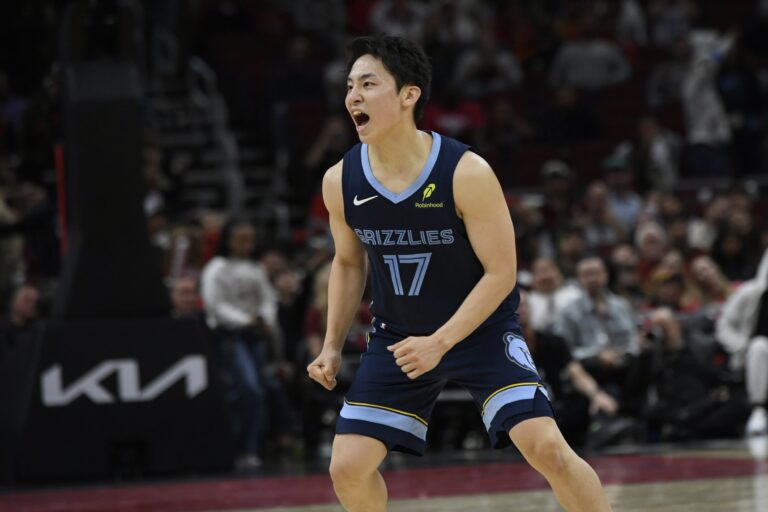
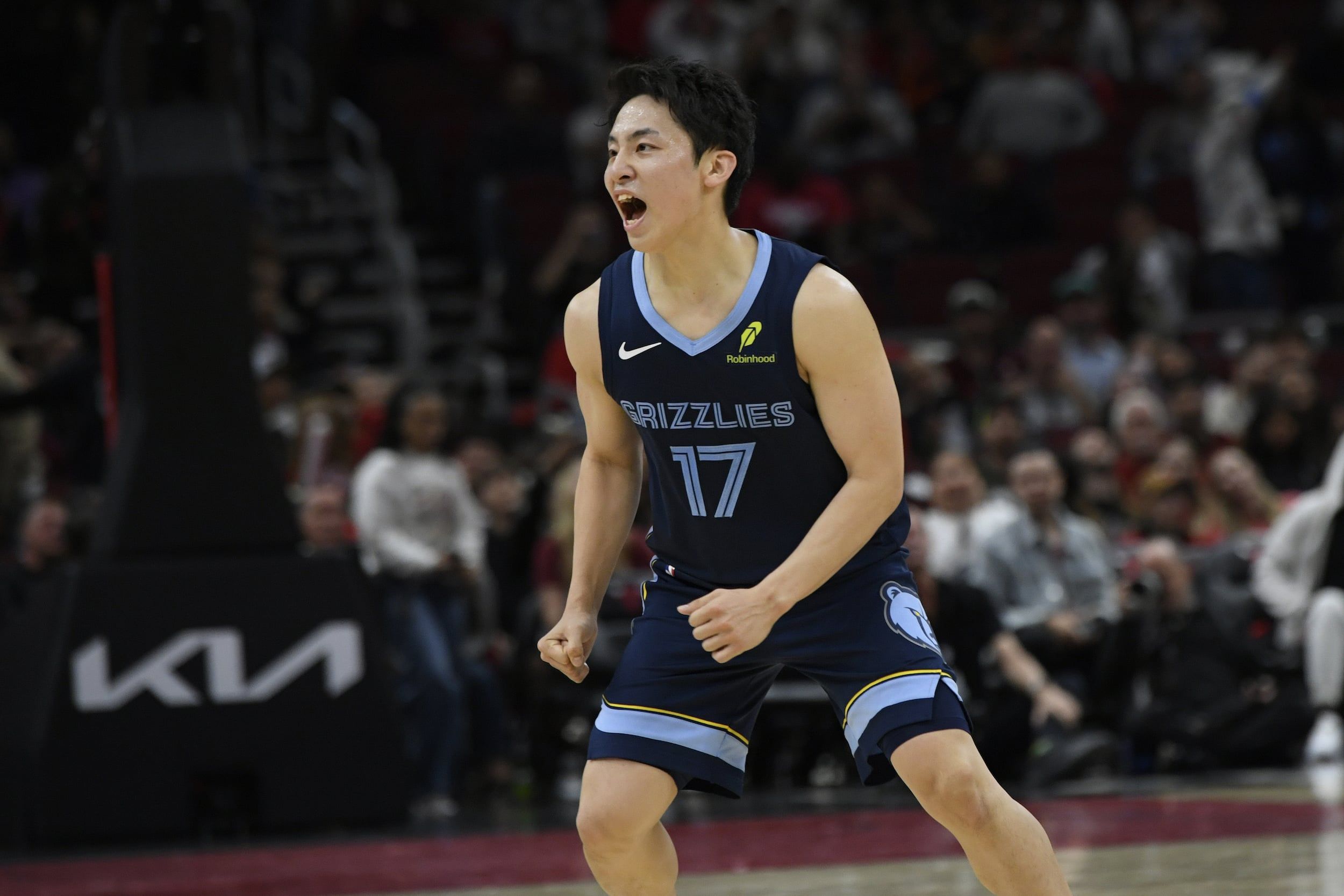
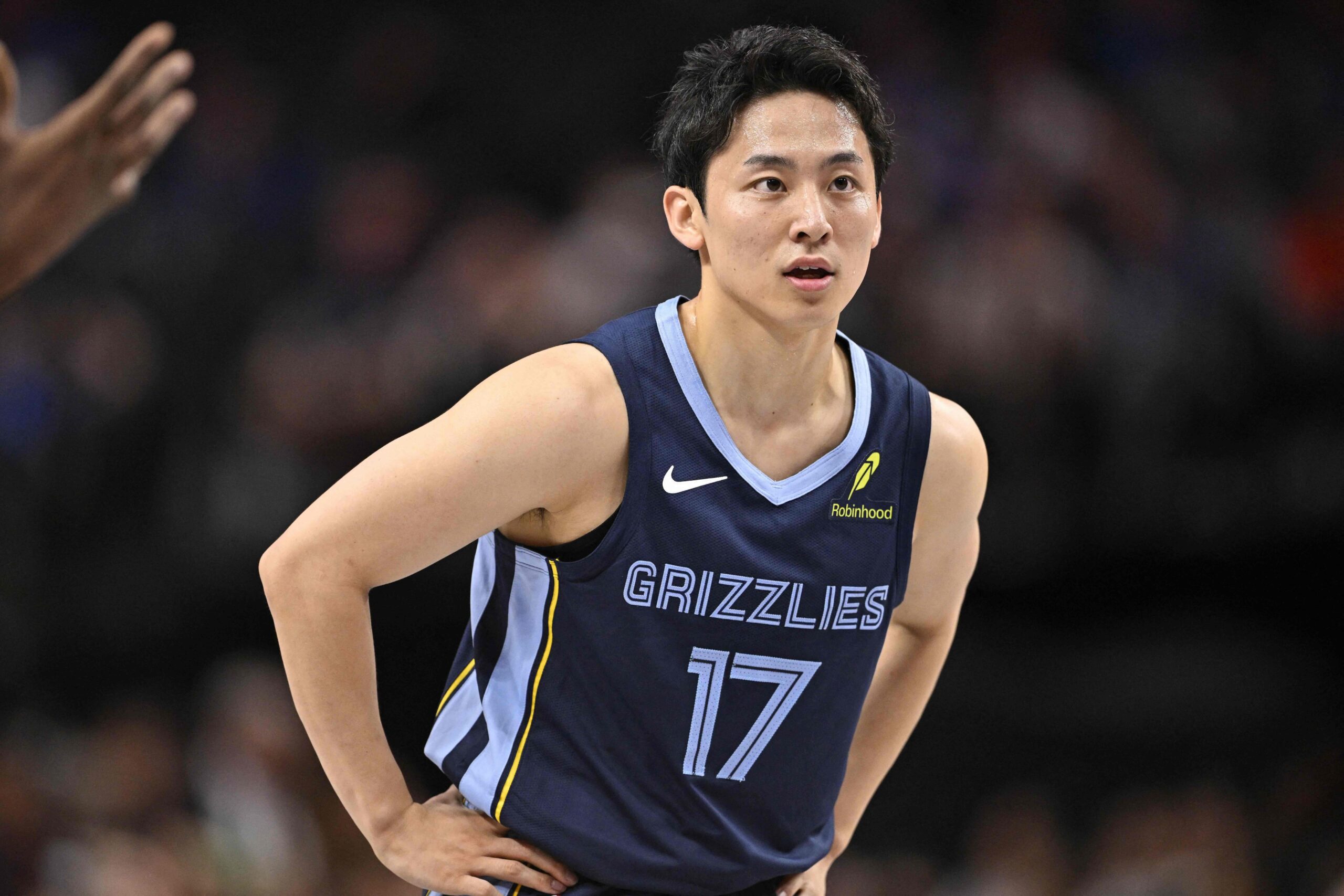
Who’s the Shortest NBA Player in 2025? It is Yuki Kawamura at 5 feet 8 inches. He is the shortest NBA player 2025 by a clear gap, and his size only makes his skill pop even more.
Height still matters in basketball. The average NBA player stands about 6 feet 7 inches, so a 5 foot 8 guard faces long arms, tight windows, and constant pressure. Yet Kawamura’s speed, handle, and feel help him win space, read help, and create shots other guards do not see.
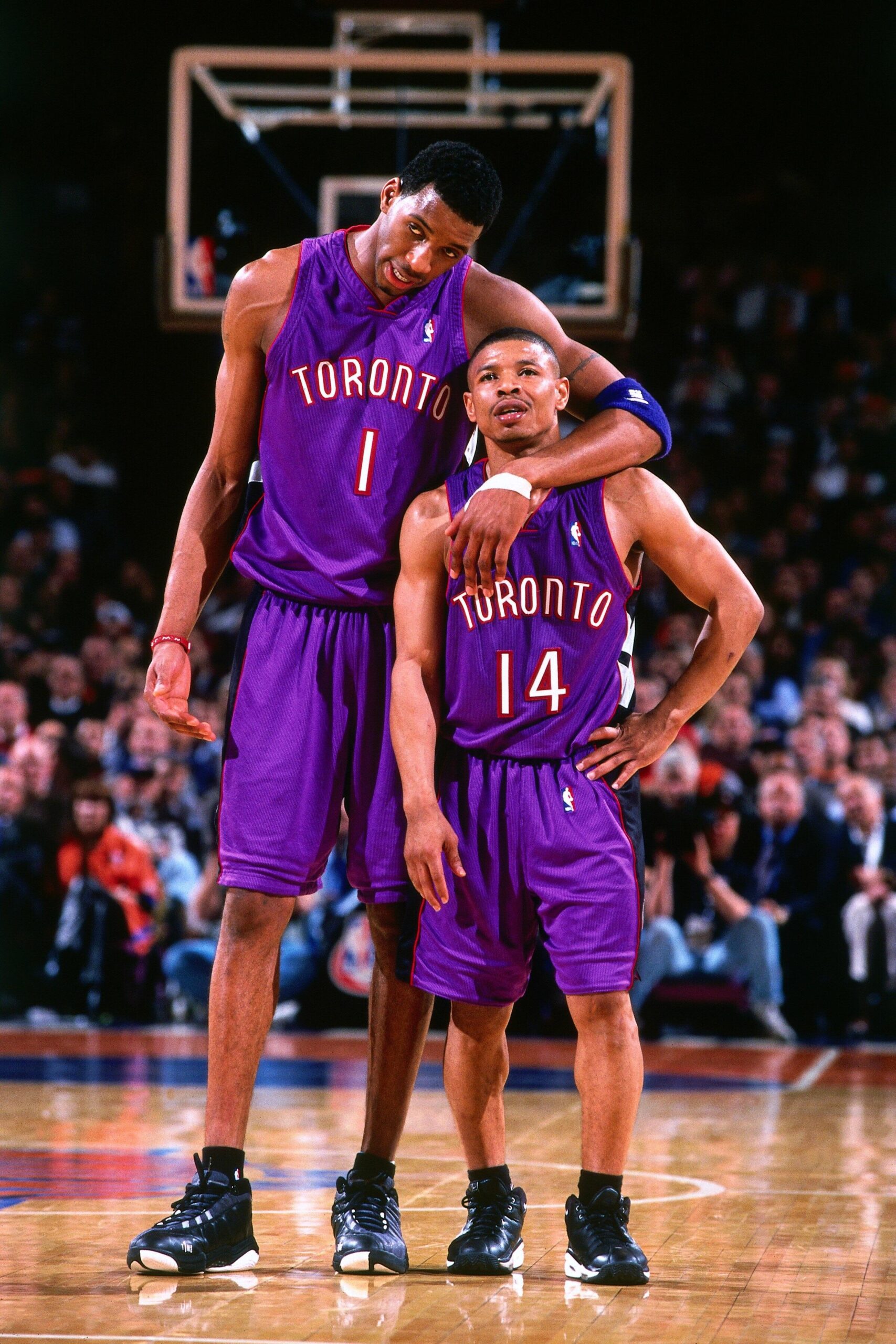
If you came here asking Who’s the Shortest NBA Player in 2025, you will get a straight answer and the context that makes it meaningful. You will learn how a player with the smallest height NBA athlete 2025 label turns it into an edge with pace changes, timing, and decision making. You will also see where his profile fits next to the shortest player in NBA history, Muggsy Bogues at 5 feet 3 inches, and how today’s spacing gives smaller guards more room to thrive.
Kawamura is not a novelty act, he is a modern guard who can run offense and pressure the rim. He played big games on the international stage and showed he can hang against size. That proof of concept matters when scouts and fans debate whether the tiniest basketball star NBA can last through the grind of an 82 game season.
This post will cover his path to the league, key strengths, and the skills that offset height. It will stack his numbers against peers his size and compare him to past outliers. It will also look at how teams scheme to help or hunt smaller guards, and what that means for Kawamura’s role moving forward. By the end, you will see why the shortest NBA player 2025 story is about more than inches.
Meet Yuki Kawamura: The Tiniest Star on the Court in 2025
Yuki Kawamura stands 5 feet 8 inches and plays point guard with fearless intent. He is the name most fans give when asked, Who’s the Shortest NBA Player in 2025? The label fits, but it never defines him. He comes from Japan, brings elite quickness, and turns tight gaps into open lanes. Scouts praise his pace, balance, and the way he uses angles to create passing windows other guards miss.
Kawamura earned his NBA shot after shining on the international stage, then joined the Memphis Grizzlies in 2024. He made 22 appearances and showed he could speed up a second unit with tempo, pressure, and clean reads. In 2025, he kept momentum, drew positive buzz in summer play, and stayed on NBA radars with no negative reports. That track record matters for the smallest height NBA athlete 2025 who keeps answering questions with production and poise.
You can feel why fans root for him. He is quick, but he is also precise. He mixes floaters, kickouts, and hit-ahead passes, then dials up on-ball pressure on defense. For a player billed as the shortest NBA player 2025, he wins with timing, not just speed. That is why coaches trust him to run a team in short bursts and why his profile continues to rise.
Kawamura’s Key Achievements and Olympic Spotlight
Kawamura’s career took off with a string of wins in Japan and a breakout at the 2024 Paris Olympics. His 29 points against France showed he can score, handle size, and still control pace. He attacked in space, tossed lobs on time, and hit pull-ups when defenders sagged. That game did not just trend, it changed how scouts viewed his ceiling.
Those Olympics set the table for his NBA door to open. Memphis brought him in for 2024 to 2025, where he flashed as a change-of-pace guard. He posted a career-high 12 points in April, then followed with steady summer production and glowing reviews for toughness and work rate. Analysts call his game creative and his engine relentless. He uses craft, patience, and sharp footwork to beat length. Think of a chess player stealing a rook with a pawn. Simple move, perfect timing.
Key takeaways that fueled his rise:
- Olympic proof: 29 against France, strong creation under pressure.
- NBA minutes: Real reps with Memphis, positive spring finish.
- Momentum: Strong summer buzz, no negative reports into October 2025.
- Identity: A tiniest basketball star NBA who plays big in big moments.
That mix keeps him in the conversation next to the shortest player in NBA history, Muggsy Bogues, while carving his own lane. Kawamura’s path shows that size can be a challenge, but not a ceiling.
The Journey of the Shortest NBA Player in 2025
Yuki Kawamura built his name step by step, not by inches. He won in Japan first, then carried that pace to the biggest stage. Scouts saw a point guard who played quick, thought faster, and stayed fearless. That mix turned a size concern into an edge.
He led strong high school teams in Japan, then rose fast in the B.League in 2020. Coaches praised his burst, live dribble passing, and on-ball pressure. International play did the rest. He impressed at the 2023 World Cup and the 2024 Olympics, where his speed and control against length stood out. That stretch pushed him into NBA range.
Memphis signed him to a two-way deal in October 2024. He made his debut soon after, joining a short list of Japanese NBA players. He even flashed in preseason against the Pacers with 10 points and 7 assists. The film showed the same traits scouts liked: quick reads, tight handles, and smart placement on lobs and kickouts.
On the Grizzlies, he fits the second unit’s pace. He lifts tempo, hunts early offense, and keeps bigs involved in pick and roll. His job is clear: spark runs, protect the ball, and make quick decisions. That role suits the shortest NBA player 2025, because it rewards speed, timing, and purpose.
This path backs up the headline, Who’s the Shortest NBA Player in 2025?, with proof. The tiniest basketball star NBA can thrive when a team leans into his skills. Kawamura’s journey shows that the smallest height NBA athlete 2025 can still win space, bend a defense, and set a tone. He respects the shortest player in NBA history, yet writes his own chapter with pace and poise.
Overcoming Height Hurdles in Professional Basketball
Short guards face real walls. Finishing at the rim is tough against length. Passing lanes close fast. Bigger wings try to bury you on switches. Kawamura answers with brains, balance, and relentless pace.
- Beat the rim crowd: He uses floaters and quick-angle layups before shot blockers load up.
- Create windows: He shifts speed, drags help, and fires passes on time to shooters and rollers.
- Hold ground on defense: He fights over screens, fronts the post early, and digs down for steals.
- Win the foot race: He pushes after rebounds to score before size gets set.
Examples matter. In the 2024 Olympic run, he attacked gaps, hit pull-ups when bigs dropped, and found lob pockets. In a preseason test vs. Indiana, he posted 10 points and 7 assists with clean reads in pick and roll. Those plays show how he turns height into a footwork and timing problem, not a ceiling.
Memphis uses him where his impact is loudest. He drives pace in bench minutes, pressures the ball, and energizes lineups with quick hits. Call it smart aggression. That is how the shortest NBA player 2025 stays on the floor and swings games.
Comparing the Shortest Players in NBA History
Small guards have found real lanes to thrive. Yuki Kawamura, at 5 feet 8 inches, sits below the common 5 feet 9 inches mark for past outliers. That gap matters when stacking him next to the shortest player in NBA history, as well as other stars who beat the odds. He fits the same mold, only tighter, and still answers the question, Who’s the Shortest NBA Player in 2025?, with impact, not novelty. This context helps frame the shortest NBA player 2025 story for today’s pace-and-space era.
Calvin Murphy: The Hall of Fame Trailblazer at 5’9″
Calvin Murphy played his entire career with the Rockets. He logged 1,002 games from 1971 to 1983 and averaged 17.9 points and 4.4 assists. He made the All-Star team in 1979 and entered the Hall of Fame in 1993. He is the shortest Hall of Famer and the shortest All-Star of his era.
Murphy scored with quick handles, tight footwork, and elite touch. He led the league in free throw percentage twice and once hit 78 in a row. He used speed to get angles, then punished defenders with pull-ups and foul-line control. That package let him score against size without wasting steps.
Kawamura mirrors that approach. He wins with pace shifts, floaters, and clean reads. He plays to space, forces rotations, and values the ball. The scale is different at 5 feet 8 inches, but the method is the same: beat length with timing, angles, and accuracy.
Nate Robinson: The Dunk King Who Leaped High
Nate Robinson, at 5 feet 9 inches, won the NBA Slam Dunk Contest in 2006, 2009, and 2010. His vertical pop, body control, and showmanship set a standard for smaller guards. He brought instant energy, pressure defense in bursts, and fearless rim attacks.
Robinson proved a short guard can still dominate in creative ways. He shifted momentum, lit up crowds, and finished plays most guards avoided. Kawamura draws from that energy but channels it into tempo and table-setting. He is a pace driver first, scorer second, and a clean fit for the tiniest basketball star NBA label.
- Short guards can succeed with skill, speed, and purpose.
- Kawamura is shorter than most at 5 feet 8 inches, yet built for modern spacing.
- The smallest height NBA athlete 2025 fits a proven blueprint that runs from Murphy to Robinson.
Why Short Players Like Kawamura Shine in the NBA
Short guards can thrive when they play to their strengths. Yuki Kawamura, the shortest NBA player 2025 at 5 feet 8 inches, proves that size does not cap impact. In the 2025 season, his quick first step, sharp reads, and fearless tempo help him stand out. He turns space into chances and pressure into points. That is why fans asking Who’s the Shortest NBA Player in 2025? get more than a trivia note. They get a live example of skill beating length.
Speed and Pace Control
Kawamura’s speed is his superpower. He pushes the ball before bigs set their feet, which creates early advantages. He uses tight handle, quick stops, and sharp changes of pace to shake length. Defenses must shift early, and that opens lobs, kickouts, and floaters.
- Early offense: Run after a stop, score before the rim protection arrives.
- Pace variation: Sprint, pause, then burst again. Help defenders lose timing.
- Live-dribble passing: Keep the ball alive to freeze weak-side help.
Low Center of Gravity and Defense
A lower center of gravity helps short guards win the balance battle. Kawamura sits in a stance, fights over screens, and recovers fast. He uses short choppy steps to change direction and stay attached. That effort trims driving angles and forces tough shots.
- Screen navigation: Slip under at the right time or wedge over and chase.
- Disruption: Quick hands poke at loose handles and post entries.
- Positioning: Early body position beats height when the ball swings.
Creativity and Angles in the Half Court
Short guards see windows others miss. Kawamura threads bounce passes through tight lanes and flips touch floaters before contests. He uses the backboard, high glass, and inside-hand finishes to avoid blocks. It is smart geometry, built on footwork and timing.
This is why the tiniest basketball star NBA label fits him, not as a gimmick, but as a skill set. He stands below the average height, yet he plays above his size. The smallest height NBA athlete 2025 can win with speed, angles, and discipline. That idea connects him to the shortest player in NBA history and keeps the 2025 story fresh. The league is better when different body types find lanes to shine.
Conclusion
Who’s the Shortest NBA Player in 2025? Yuki Kawamura at 5 feet 8 inches, and that fact adds context, not limits. He earned real NBA minutes, impressed in Paris, and proved he can run a team with speed, angles, and clean decisions. His profile fits a clear history line that runs from Calvin Murphy to Nate Robinson, and it shows why height is a factor, not a verdict.
The shortest NBA player 2025 still turns pressure into points with pace and control. He uses floaters, hit-ahead passes, and on-ball defense to swing runs. That blend, paired with modern spacing, gives smaller guards real paths to impact. It also enriches the league. The NBA is better when different body types, styles, and solutions share the floor.
If you want proof, watch Kawamura for a week. Track how he manipulates help, how he times the lob, and how he wins early-clock chances. Then stack that film next to the shortest player in NBA history, and you see the same core idea. Smart geometry beats size when the feet, eyes, and mind move as one.
Keep the conversation going. Share your favorite short guards and the plays that sold you. Do you lean Calvin Murphy’s footwork, Nate Robinson’s burst, or Kawamura’s precision? Drop thoughts, pass this to a friend who loves guard play, and check back for updates as his role grows. The tiniest basketball star NBA is not a novelty, it is a blueprint the smallest height NBA athlete 2025 can follow to stay on the floor and help a team win.